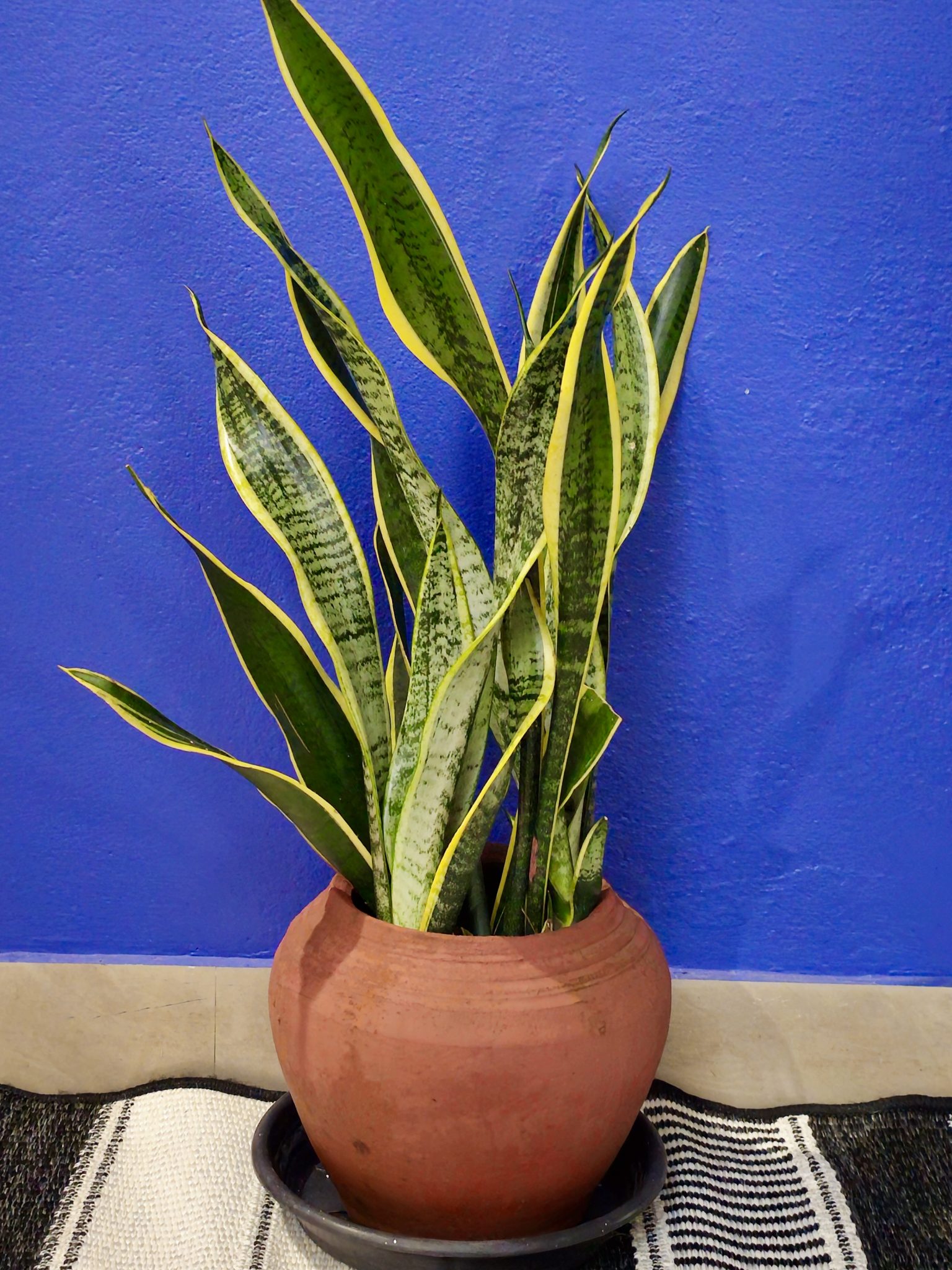
Ash Column + Snake Plant
A tall cylinder under a wood-ash glaze that runs thick and pools at the foot. Snake plants tolerate low light and irregular watering.
$58
Studio No. 4 · Thu–Sat
Thrown, glazed and fired here. Every pot is the only one like it — browse what's ready now, or ask us about the next firing.
Shop the shelf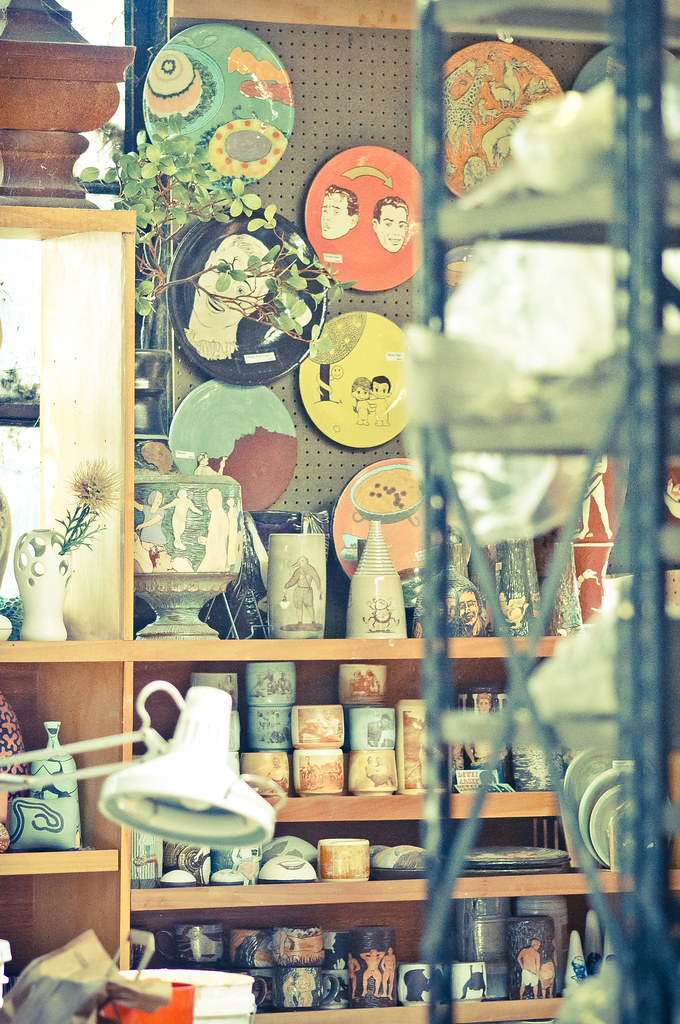
Six pieces, ready to ship. Each one photographed as it actually is — when it sells, it's gone until the next firing.
A tall cylinder under a wood-ash glaze that runs thick and pools at the foot. Snake plants tolerate low light and irregular watering.
$58
Studio favourite
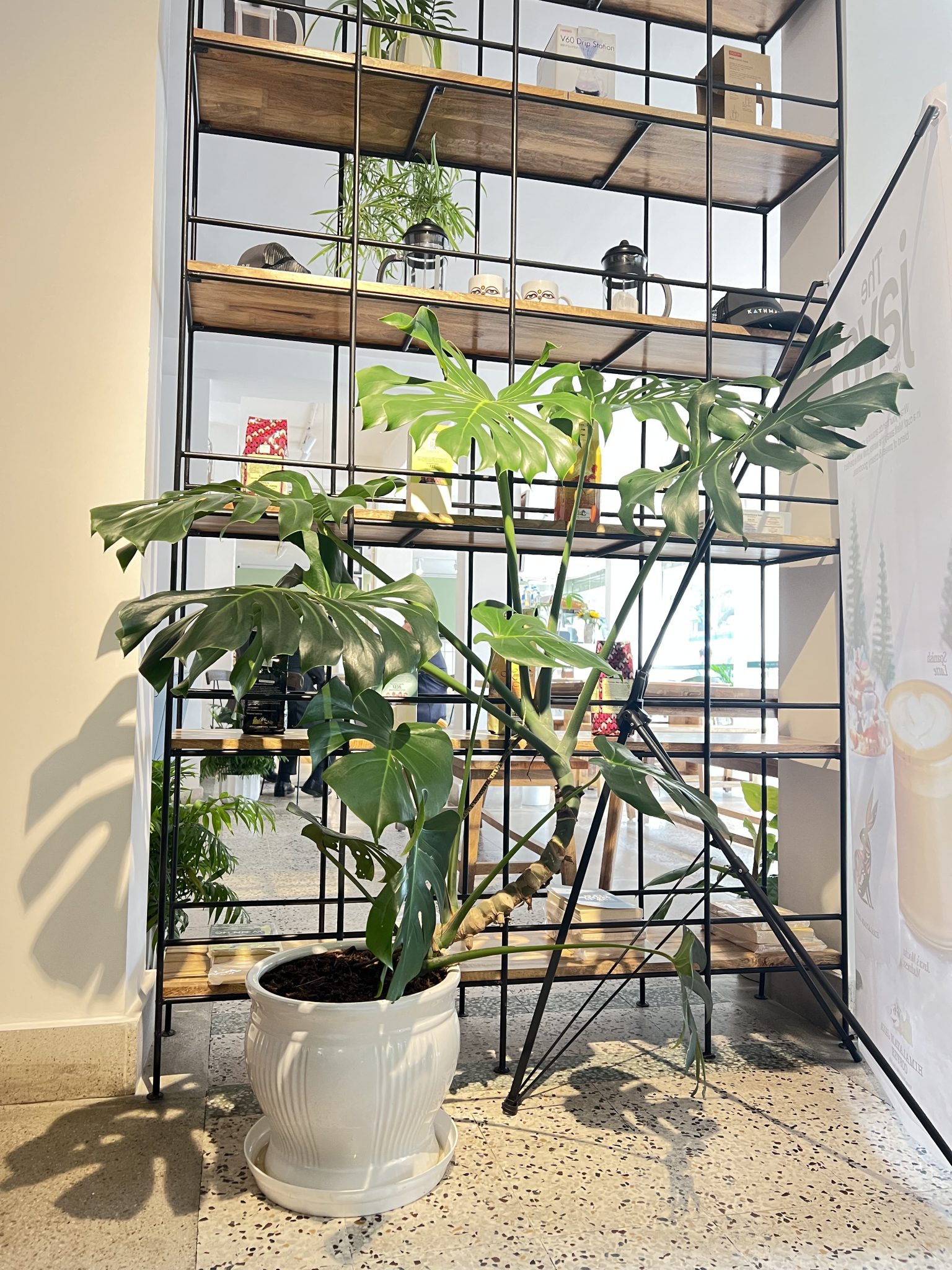
Round-bellied, glazed the pale green of pond ice and darker where it gathers in the throwing rings. Bright light, back from the glass.
$72
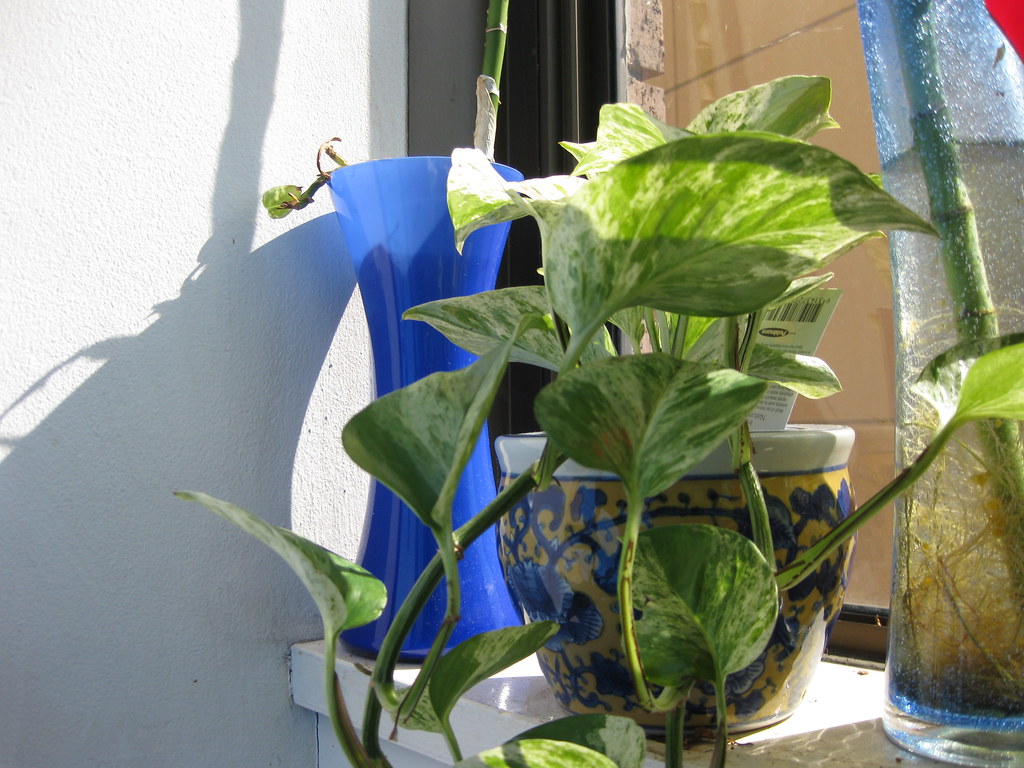
Dipped to the waist in cobalt, bare clay below the line. Pothos trails over the rim within a season.
$54
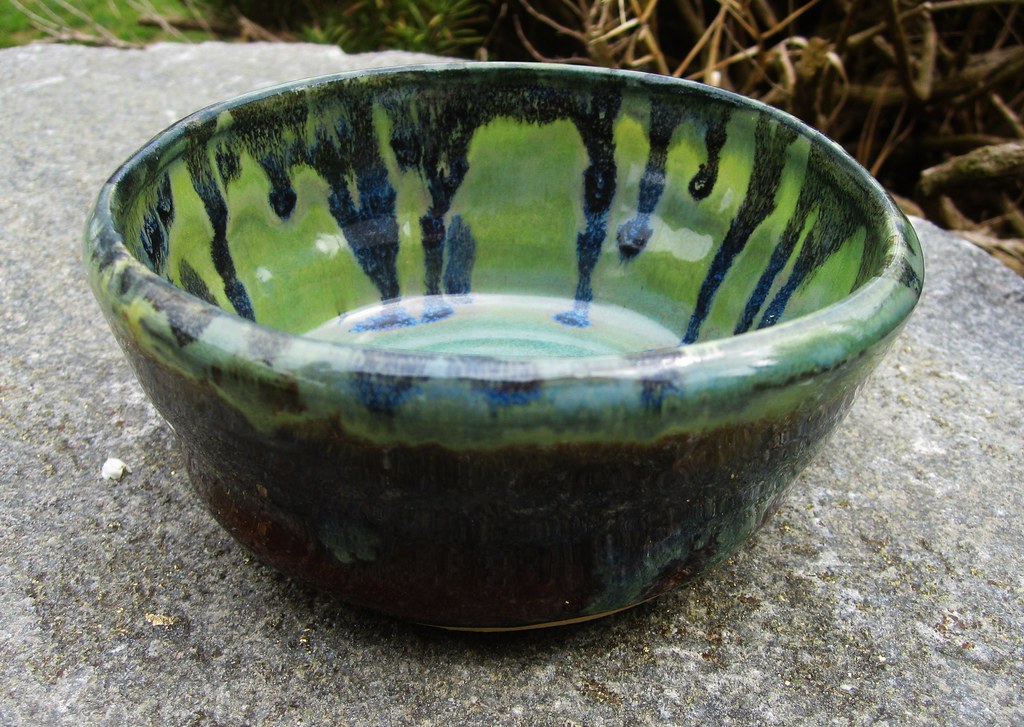
Low and wide, freckled where iron in the clay burns through the glaze. Planted with a maidenhair fern.
$46
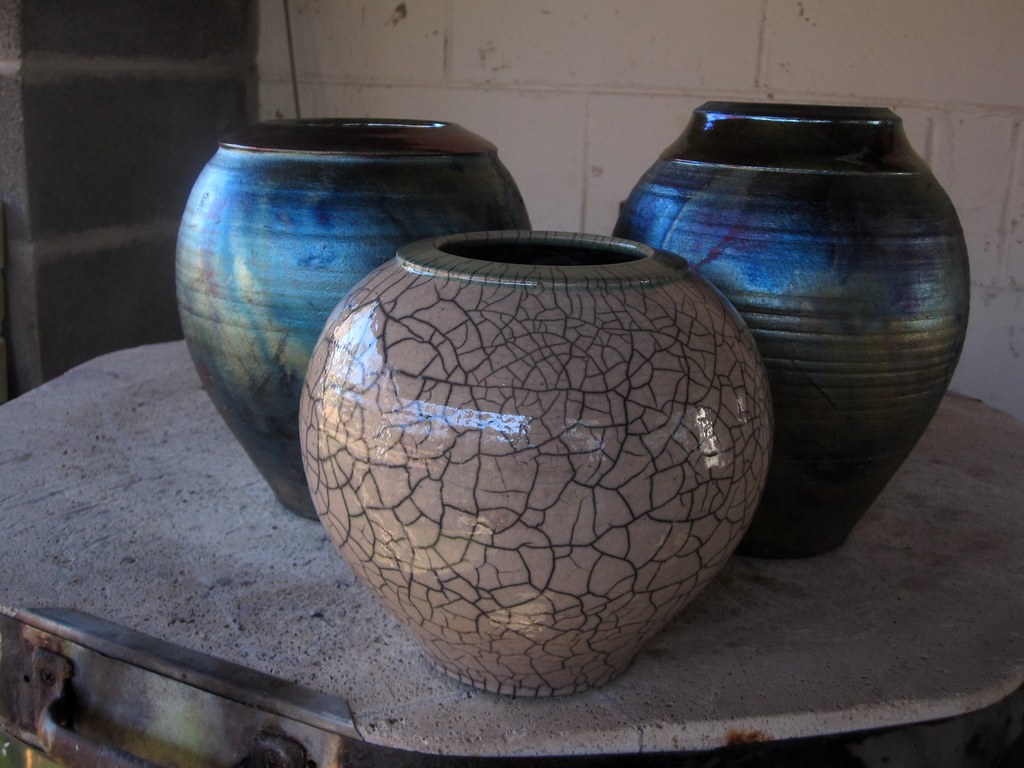
Iron-black in the belly, breaking to rust at the rim where the glaze thins over the edge. Wants a high shelf to trail from.
$64
Ask in the chat
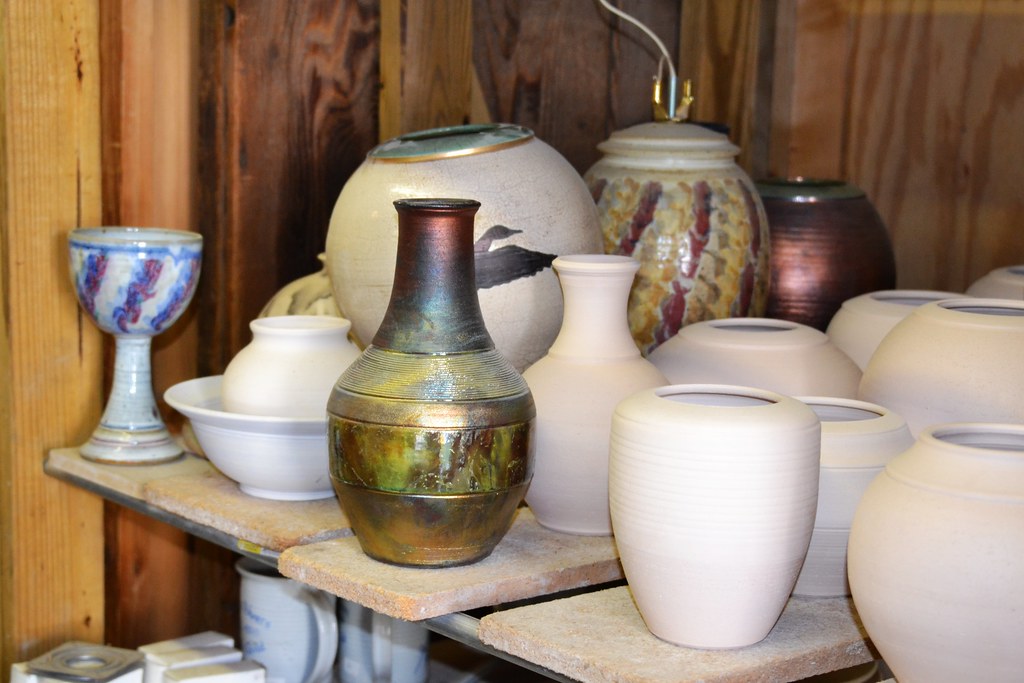
Pots that warped, crawled at the rim, or came out a colour we hadn't planned. Watertight and sound. Ask what's on it this week.
from $24
Half about the pot, half about the plant. Swipe through.
Lift the pot after watering, then again a few days later. You'll learn what dry feels like faster than any schedule.
Far less porous than terracotta. Whatever rhythm you used for a plastic nursery pot, stretch it.
Every planter we make is drilled before bisque. No hole? Plant into a liner you can lift out.
Empty the saucer twenty minutes after watering. Roots need air as much as water.
A small plant in a big pot sits in wet compost and rots. Repot when roots reach the hole, usually every second spring.
Mineral salt, not mould. Wipe with vinegar on a cloth and rinse.
Detergent soaks into the unglazed foot and stays there. Warm water and a brush is enough.
Fired to 1260°C, the clay absorbs almost no water, so it won't split in a freeze.
Fine lines in the glaze, not the clay. Harmless on a planter; we keep it off anything you'd drink from.
A metre back from a south window, or right against a north one. Direct summer sun through glass scorches a monstera.
Thrown, dried, bisqued to 1000°C, glazed, then fired to 1260°C in a small gas kiln in the yard — about eleven days from a lump of clay to something you can plant into, most of it spent waiting.
The colour comes from the second firing. Around 1000°C we close the damper and starve the flame of oxygen, and it starts pulling oxygen out of the glazes instead. The same iron that fires a muddy honey in clean air turns pond-green in a starved one — celadon only exists because of this.
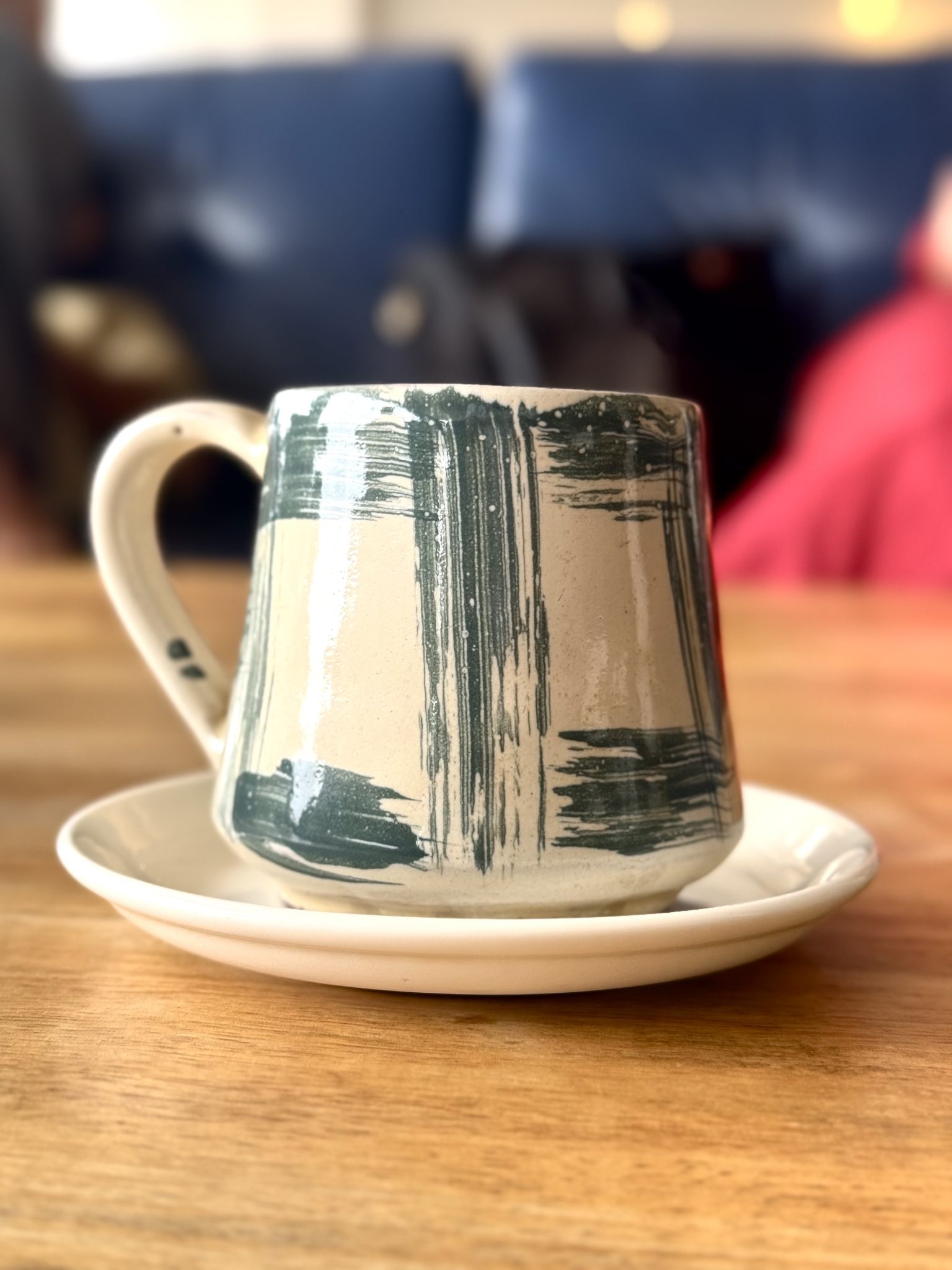
Latest firing (118): the best celadon we've pulled from that kiln — pale, even, glassy. Three pieces crazed a week later, so the recipe gets a touch more silica before the next run.
No basket — there's never more than one of anything. Ordering happens in the chat, bottom right.
On the shelf: two or three days. Commissions: six to eight weeks.
Photograph it in the box before unpacking further, send it in the chat. Remake or refund, your choice.
A matched pair or a particular size is straightforward. Matching a paint chip isn't — reactive glazes don't take instruction.
Everything we sell is potted up here in a free-draining mix — two parts peat-free compost, one part bark, one part perlite — and spends a fortnight on the greenhouse bench before it ships. Most of the day-to-day is in the tips above. Two things worth adding:
A plant that's just moved house often drops a leaf or two. Keep it out of direct sun, water once, and leave it alone.
April to September, half-strength liquid feed every third watering. Nothing over winter — a plant that isn't growing can't use it.
The door is open Thursday to Saturday. Come and handle things — pots photograph badly, and weight and balance are half of what you're buying.
Unit 4, The Kiln Yard
Off Nettle Lane
Thu–Sat, 10–5
Firing Saturdays, so expect noise
Repotting help, glaze questions,
"will this survive my apartment?"
The celadon, cobalt and tenmoku are food safe and fired to full vitrification. The wood ash isn't — it's unpredictable, so we keep it to planters and vases.
Time on the wheel and how many survive. A tall cylinder is harder to throw, and the ones that make it carry the cost of the ones that didn't.
Two seats at the wheel on the last Saturday of the month, three hours, clay and firing included. Ask in the chat for the next date.
Anything sound goes on the seconds shelf. Anything cracked is broken up and used as drainage in the next batch of planters.